+49 30 212 34 36 300


| RobertF, Lebreton F, Bougnoux ME, Paugam A, Wassermann D, Schlotterer M, Tourte-Schaefer C, Dupouy-Camet J (1995) |
| Use of random amplified polymorphic DNA as a typing method for Candida albicans in epidemiologically surveillance of a burn unit. |
| J. Clin. Microbiol. 33 |
| pp. 2366-2371 |

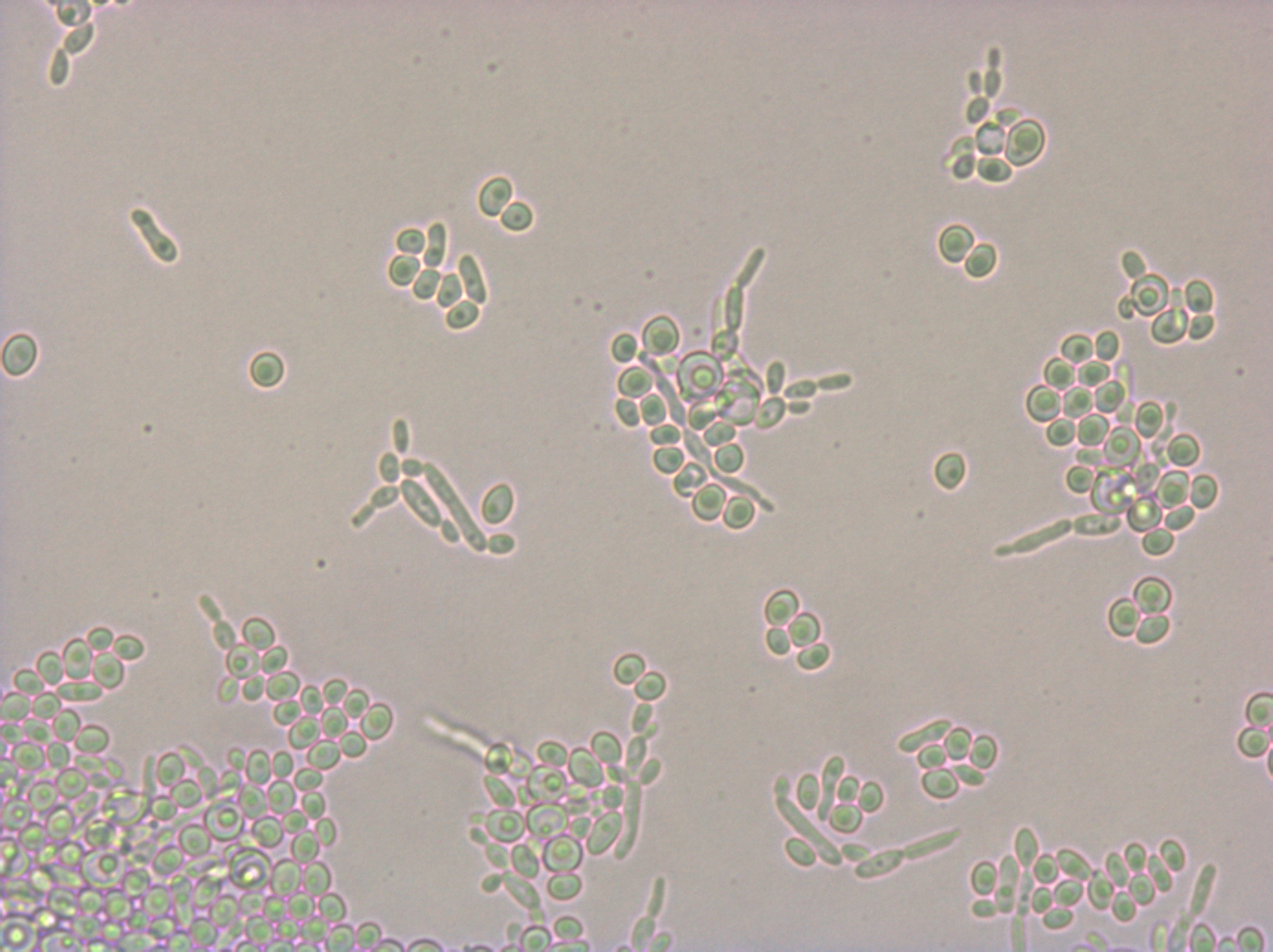
Candida albicans, Stuhl-Isolat, SG-Rand, 400fache Auflösung 
Candida parapsilosis, Ohr-Isola, Reis, 7 Tage, 630-fache Vergrößerung, Kontrast 
Candida valida, Stuhl-Isolat, SG-Rand, 1 Tag, 200-fache Vergrößerung 
Geotrichum candidum, Stuhl-Isolat, Reis, 4 Tage, 200-fache Vergrößerung |
| Nosokomiale Infektionen; Candida-Arten; C. albicans; Hôpital Cochin; DNA; PCR; polymorphe DNA; epidemiologische Überwachung; Pilzüberwachung; Candida spp. |

Ursachenmedizinische Untersuchung und Behandlung krankmachender Pilzinfektionen.
KONTAKTUnseren zentralen Normamed-Service in Berlin erreichen Sie unter